
The Future of Healthcare: Exploring Wearable Health Tech
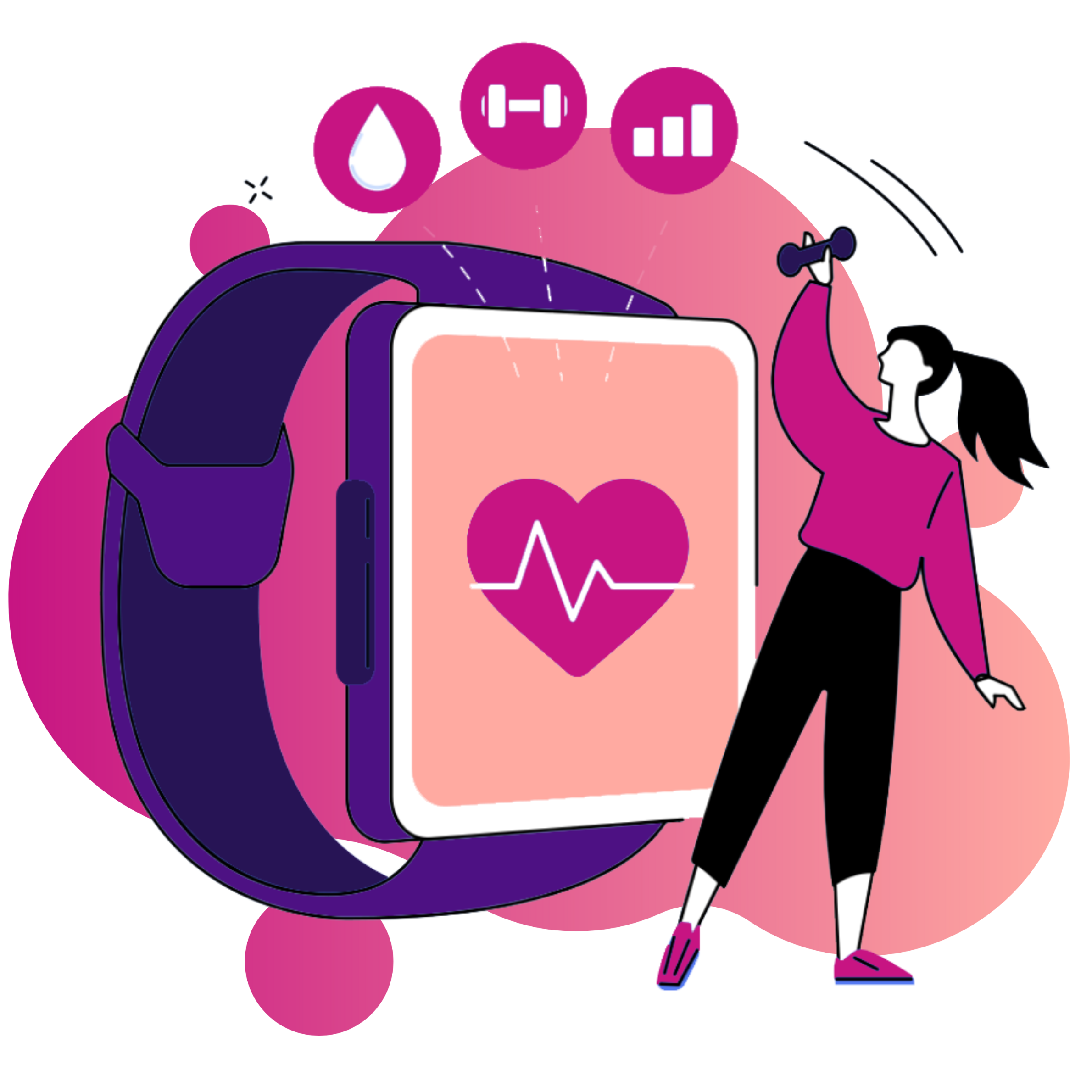
The healthcare sector is being transformed by wearable health technology, which enhances personal wellness and streamlines medical care. Devices like fitness trackers and smartwatches, equipped with sensors to monitor heart rate, sleep patterns and more, allow individuals to stay informed about their health and make proactive decisions.
Share this Page:
Smart Health Technology: A New Era of Monitoring
Smart health devices, such as advanced fitness trackers and smartwatches, have become indispensable tools for health enthusiasts and medical professionals alike. These devices offer real-time data, providing users with insights into their daily activity levels, sleep quality and overall wellness.
Key Benefits of Smart Health Devices
- Continuous Monitoring: Unlike traditional health check-ups, smart health devices offer continuous monitoring, ensuring that users receive up-to-date health information
- Early Detection: By tracking vital signs and identifying irregularities, these devices can alert users to potential health issues before they become critical
- Personalised Insights: Smart health devices analyse data to provide personalised recommendations, encouraging healthier lifestyle choices
Smartwatches Health Technology: The Ultimate Health Gadget
Smartwatches for health combine the functionality of fitness trackers with additional features, making them a versatile tool for health monitoring. These devices can perform electrocardiograms (ECGs), measure blood oxygen levels and even detect falls, making them invaluable for both personal use and medical applications.
Features of Health-Focused Smartwatches:
- ECG Monitoring: Detecting irregular heart rhythms and providing data for medical consultations
- Blood Oxygen Monitoring: Measuring blood oxygen saturation levels, crucial for detecting respiratory issues
- Fall Detection: Alerting emergency contacts in case of a fall, providing an added layer of security for users
The Impact of Wearable Fitness Health Technology on Healthcare
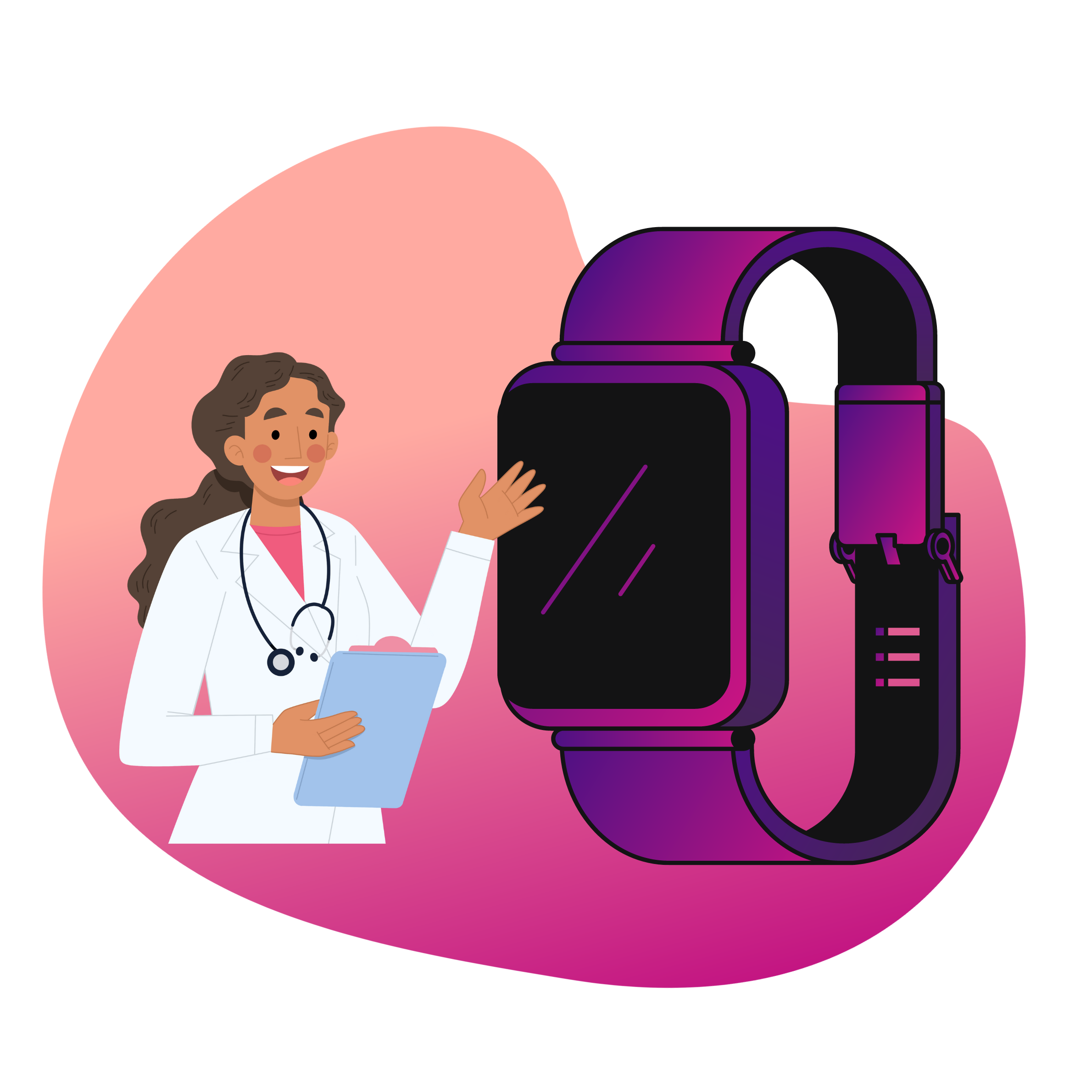
Wearable fitness technology is not only beneficial for individual health monitoring but also holds significant potential for the broader healthcare system. By integrating these devices into healthcare practices, medical professionals can access continuous patient data, leading to better-informed decisions and more effective treatments.
Advantages for Healthcare Providers:
- Remote Monitoring: Allowing doctors to monitor patients’ health remotely, reducing the need for frequent in-person visits
- Data-Driven Decisions: Utilising comprehensive data to enhance diagnostic accuracy and treatment plans
- Patient Engagement: Encouraging patients to take an active role in their health, leading to improved outcomes and adherence to medical advice
Why Fitness Trackers Are Essential Health Technology
- Motivation: By setting goals and tracking progress, fitness trackers motivate users to stay active and achieve their fitness objectives
- Accountability: Regular updates and reminders help users maintain consistency in their fitness routines
- Health Awareness: Fitness trackers provide valuable insights into how daily activities impact overall health, encouraging users to make informed decisions
The Future of Health Technology
Wearable health tech is revolutionising the way we approach health and wellness. From smart health devices and fitness trackers to advanced smartwatches for health, these innovations offer unprecedented opportunities for monitoring and managing our well-being. As wearable fitness technology continues to evolve, it promises to play a pivotal role in the future of healthcare, empowering individuals and healthcare providers alike to achieve better health outcomes.
Silicon Practice News and Resources
Deep dive into the latest trends and insights shaping the primary care industry. Explore practical resources and expert advice to stay ahead of the curve and navigate the ever-evolving landscape with Silicon Practice.
The NHS 10 Year Health Plan, why 2026 feels like a turning point
The NHS 10 Year Health Plan sets out a long term shift towards community care, prevention and digital services. Alongside the NHS 10 Year Workforce Plan and the medium term planning framework, it signals a move away from constant crisis response and towards something more deliberate and sustainable. This article explores why 2026 feels like a genuine turning point, what the changes mean for staff and patients, and why progress may be slow, uneven, but still important.
GP online consultation – the future of patient access in the NHS
A GP online consultation offers patients a simpler way to reach their practice, often without the stress of long phone queues or rushed conversations. It helps teams handle requests more smoothly, improve triage and create a more flexible workflow that fits the reality of busy NHS days. This approach isn’t perfect for every situation, but it’s becoming an essential part of modern primary care and a practical step toward better access for patients.
6 examples of digital patient engagement platform transforming care in the NHS
Digital transformation in the NHS is accelerating, and at its heart are tools that connect patients and healthcare teams more effectively. This blog explores 6 examples of digital patient engagement platforms transforming care in the NHS – from online triage and patient apps to health monitoring and education tools. Each example highlights how technology is improving communication, streamlining workloads and empowering patients to take a more active role in their health, driving better outcomes across the NHS.
How a patient engagement app can transform NHS communication in secondary care
A patient engagement app can transform how NHS Trusts communicate with patients beyond the hospital walls. By giving patients access to trusted, condition specific information, these apps help them better understand their care, manage symptoms and feel more in control of their recovery. For hospital teams, they offer consistency, reduce repetitive queries and improve patient confidence – ultimately supporting smoother, more informed care journeys across secondary care.