

Keeping Data Safe. Always.

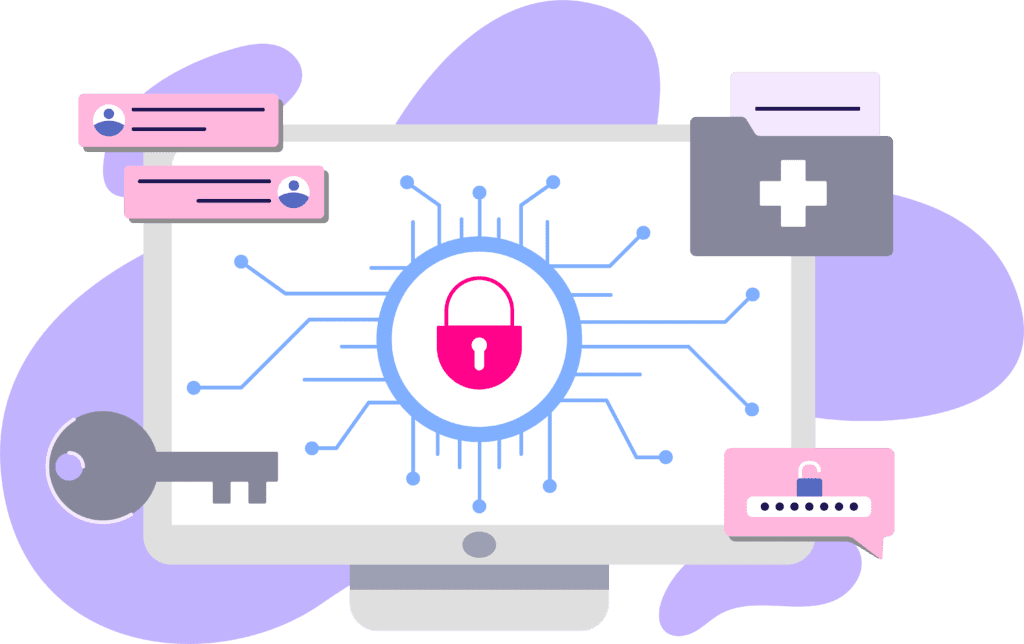
Your data security has priority. You can trust us to keep your and NHS patient data safe and secure, giving you peace of mind and allowing you to focus on providing the best possible care.

Below, you can find our data security accreditations and learn more about how we protect data online.

information governance nhs

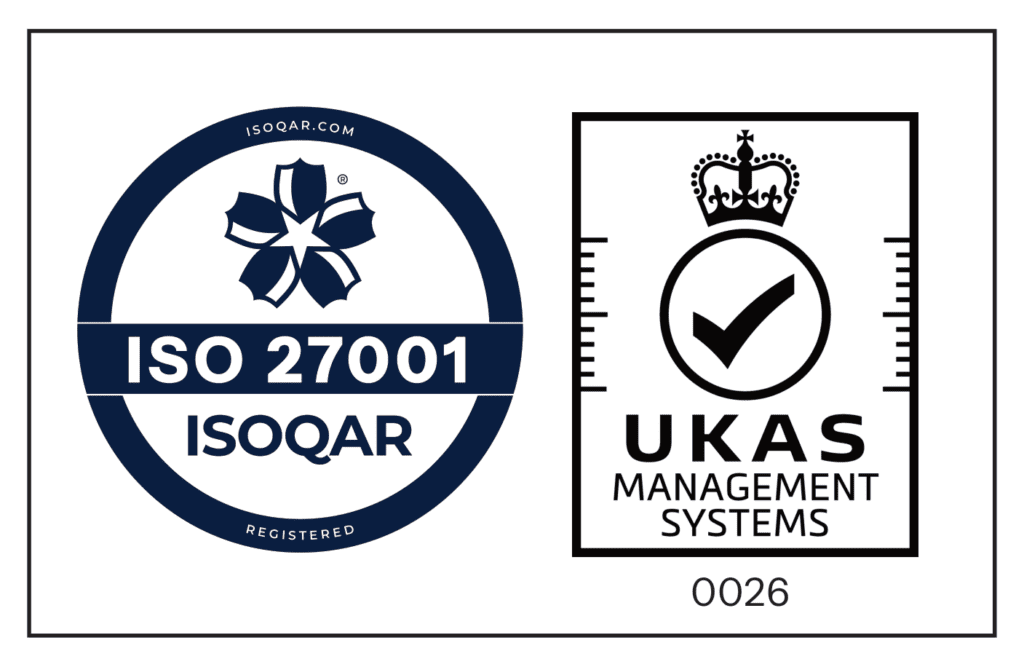
ISO 27001 certified

NHS Data Security and Data Protection Toolkit (ODS code: 8KC12)

Cyber Essentials Plus
Certification

DFOCVC Framework

Frequently Asked Security Questions:

The data held on FootFall servers is all encrypted, both in transit and at rest, to AES-256-CTR.

We adhere to the NHS Data Protection Deed as part of the NHS Buying Catalogue.

We have appointed an independent Data Protection Officer who works closely with our Risk and Compliance Manager to ensure we are compliant with UK GDPR.

We can help your practice implement our products safely through our guide FootFall and DCB 0160 – Helping you implement our product safely and assist you with further help as needed.

Silicon Practice safeguards your information with AES-256-CTR encryption, protecting patient data both in transit and at rest.

Discover more about the security and confidentiality of your data

Information Governance NHS.

At Silicon Practice we are committed to complete transparency and we have compiled all the essential documents about our data usage practices.

Our information governance policies outline our data commitments, legal agreements, and compliance with the NHS rules and regulations. We take pride in our security credentials and ensure that our systems are highly secure and your data is protected at all times.

Policies and Agreements

Silicon Practice News and Resources

Deep dive into the latest trends and insights shaping the primary care industry. Explore practical resources and expert advice to stay ahead of the curve and navigate the ever-evolving landscape with Silicon Practice.

nhs 10 year health plan

The NHS 10 Year Health Plan, why 2026 feels like a turning point

The NHS 10 Year Health Plan sets out a long term shift towards community care, prevention and digital services. Alongside the NHS 10 Year Workforce Plan and the medium term planning framework, it signals a move away from constant crisis response and towards something more deliberate and sustainable. This article explores why 2026 feels like a genuine turning point, what the changes mean for staff and patients, and why progress may be slow, uneven, but still important.

Read More »
gp online consultation

GP online consultation – the future of patient access in the NHS

A GP online consultation offers patients a simpler way to reach their practice, often without the stress of long phone queues or rushed conversations. It helps teams handle requests more smoothly, improve triage and create a more flexible workflow that fits the reality of busy NHS days. This approach isn’t perfect for every situation, but it’s becoming an essential part of modern primary care and a practical step toward better access for patients.

Read More »
digital patient engagement platform

6 examples of digital patient engagement platform transforming care in the NHS

Digital transformation in the NHS is accelerating, and at its heart are tools that connect patients and healthcare teams more effectively. This blog explores 6 examples of digital patient engagement platforms transforming care in the NHS – from online triage and patient apps to health monitoring and education tools. Each example highlights how technology is improving communication, streamlining workloads and empowering patients to take a more active role in their health, driving better outcomes across the NHS.

Read More »
patient engagement app

How a patient engagement app can transform NHS communication in secondary care

A patient engagement app can transform how NHS Trusts communicate with patients beyond the hospital walls. By giving patients access to trusted, condition specific information, these apps help them better understand their care, manage symptoms and feel more in control of their recovery. For hospital teams, they offer consistency, reduce repetitive queries and improve patient confidence – ultimately supporting smoother, more informed care journeys across secondary care.

Read More »