
We were looking over some recent data the other day, and it struck us just how much the transition between pediatric and adult healthcare feels like falling off a cliff for many young people. We often talk about continuity of care as this clinical objective, but for a 19 year old managing a long-term condition, it is actually about whether they feel seen or ignored by a system that suddenly changes the rules on them. It is a vulnerable period where the safety nets of childhood services are pulled away, and the expectations of adult responsibility can feel overwhelming.
Perhaps the biggest hurdle isn't the medical expertise itself, but the medium of communication. If we aren't meeting young people where they actually live (which is, let's be honest, almost entirely on their phones) we lose them. It is estimated that up to 41% of young people with chronic conditions disengage from care during the transition to adult services. That is a staggering number of people just drifting away because the process feels too rigid, too manual, or simply too outdated for their lifestyle.
The digital gap in youth services
When we look at how to engage young people, we think we sometimes overcomplicate things by trying to be ‘trendy’ instead of being useful. A young person doesn't necessarily want their healthcare provider to be on every social media platform; they mostly just want to be able to book an appointment or ask a question without having to spend 20 minutes on a landline during school or college hours. Using a dedicated patient engagement platform can bridge that gap quite effectively. It is not just about technology for the sake of technology, but about making the service feel accessible and respectful of their time.
We’ve found that when a service adopts a robust patient engagement platform, the administrative friction starts to melt away. We have developed a practical guide, Engaging young people digitally, which digs into this in much more detail. It isn't a textbook, but more of a roadmap for services that know they need to change but aren't quite sure where to start. We believe that the focus should be on reducing the ‘activation energy’ required for a young person to interact with their GP or specialist. If it takes five clicks instead of a phone call, they are significantly more likely to stay involved.
Why transition periods are so fragile
The shift from pediatrics to adult care is a notoriously leaky part of the healthcare pipe. It is where continuity of care often breaks down because the ‘handover’ is treated as a single event rather than a gradual, supported process. Statistics show that successful transition programs can improve health outcomes by up to 20%. This improvement isn't just a coincidence; it is the result of keeping that young person tethered to the system through a period of massive personal change.
Our Supporting safe and engaged transition from paediatric to adult services toolkit was designed specifically for this ‘danger zone.’ We often forget that a 20 year old is still developing cognitively, yet the adult system often expects a level of self-management and administrative savvy that they might not have been taught yet. In the pediatric world, parents often handle the logistics. In the adult world, the young person is suddenly expected to be their own project manager. Without digital tools to nudge them or simplify the process, many simply stop showing up.
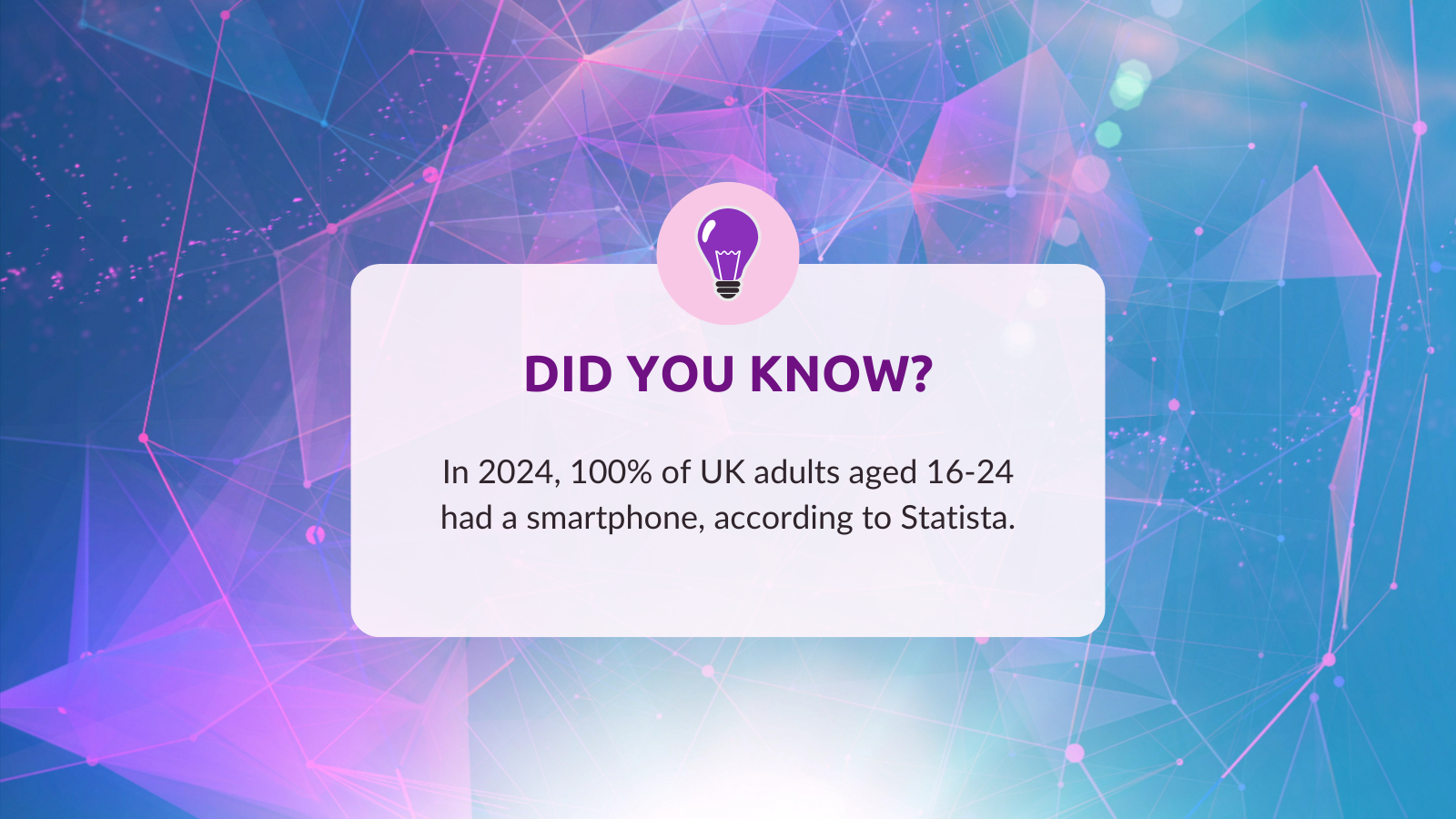
Understanding the barriers to digital adoption
We think it is important to acknowledge that not every service feels ready to go fully digital overnight. There is often a fear that digital tools will replace the human touch, but we have seen the opposite. When the routine tasks (like repeat prescriptions or basic queries) are handled through digital channels, it actually frees up clinical time for those deeper, more complex face to face conversations. We believe that how to engage young people effectively involves creating a hybrid environment where the digital supports the physical.
Perhaps we also need to consider the ‘digital divide’ and ensure that while we promote these tools, we don't leave those without reliable data or devices behind. However, for the vast majority of the youth population, the lack of a digital interface is the bigger barrier to equity. If the only way to access care is via a method they find alien, like a posted letter or a physical telephone call, then the service is effectively closed to them. We think this is a critical point that often gets missed in strategy meetings.
Moving toward a practical solution
If you are wondering if your current setup is actually hitting the mark, it might be worth taking a second to look at our online checklist: Is your service digitally engaging young people effectively? It’s a bit of a reality check, we suppose. Sometimes we think we’re doing okay because we have a basic website or an email address, but when you actually look at the service through a digital-first lens, there are usually quite a few gaps in the ‘self-serve’ aspect of the care.
We have spent a lot of time talking to providers who feel a bit overwhelmed by the options available. The landscape of digital health is changing so fast that it is hard to keep up. But we believe the core principles remain the same: simplicity, transparency and accessibility. A young person should be able to see their own records, manage their appointments and communicate with their team in a way that feels natural to them.
Long-term health and the role of technology
The goal here isn't just to make things easier for the staff, though that is a very welcome side effect. The real goal is to foster long-term health literacy. When we engage young people through digital means early on, we are teaching them how to navigate the healthcare system for the rest of their lives. We are moving away from a paternalistic model of ‘doing’ to the patient and moving toward a collaborative model of ‘working with’ the young person.
We think that the data supports this shift. Research from the Health Foundation suggests that people who are highly involved in their own care have better outcomes and lower costs of care over time. By using digital tools to encourage this involvement during the transition years, we are essentially investing in their future health. It is a preventative measure as much as it is an administrative one.
Closing the loop on engagement
Our main thought here is that digital tools shouldn't be seen as an ‘extra’ thing we do if we have time. They are the infrastructure that keeps a young person connected to their health journey when everything else in their life (university, moving house, new jobs) is changing. It's about making sure that the transition doesn't mean a total loss of momentum. We have seen too many cases where a young person was doing well in paediatrics, only to reappear in an A&E department 3 years later because they lost touch with their adult specialist.
Ultimately, we want to see a system where the digital path is the path of least resistance. We want to see services that are proactive rather than reactive. By using the resources we have mentioned, like our practical guide and the transition toolkit, services can begin to build that bridge. We don't expect perfection from day 1, but we do think that a move toward a more integrated, digital-first approach is the only way to ensure that ‘continuity of care’ becomes a reality for every young person, regardless of where they are in their journey.
It is worth noting, we think, that the feedback from young people themselves is almost always in favour of more digital options. They are not asking for a revolution; they are asking for the same level of convenience they get from their banking app or their food delivery service. When we meet that expectation, we don't just improve the service; we build trust. And in healthcare, trust is the most important currency we have.We hope these tools provide a useful starting point. We are all trying to figure out the best way forward in a world that is moving incredibly fast, but if we keep the needs of the young person at the centre of the strategy, we think we won't go far wrong. It is about being flexible, being willing to learn, and being brave enough to try a different way of working.
Perhaps the most important thing we can do is just start. Look at the checklist, read the guide, and see where the small wins are. Those small wins tend to snowball into much larger improvements in patient satisfaction and clinical outcomes. We have seen it happen before, and we are confident that with the right tools, it can happen in your service too. It's just a matter of taking that first step toward a more connected, digital future for our young people.
FAQ's
What does continuity of care actually look like in a digital context?
We think of it as a ‘digital thread; that follows a young person. Instead of their medical history and communication preferences being locked in a physical file that stays in paediatrics, a digital approach ensures their data, communication history and preferences move with them. By using a patient engagement platform, we can ensure that the transition to adult services isn't a hard reset, but a continuation of a relationship the young person already understands and trusts.
How do we engage young people who are hesitant to use digital health tools?
It is a common concern, but we’ve found that hesitation usually stems from tools being clunky or hard to use. The key to how to engage young people is removing barriers. Perhaps they don't want to download an app, but they would be happy to receive a secure link via SMS. We believe in offering a ‘path of least resistance - making the digital option so much easier than the traditional alternative that it becomes the natural choice for the patient.
Is there a specific age when we should start using the transition toolkit?
There is no ‘perfect’ age, but we generally suggest starting the conversation around 13 or 14. Our Supporting safe and engaged transition from paediatric to adult services toolkit emphasizes that transition is a process, not an event. By introducing digital self-management tools early, we give the young person a chance to ‘practice’ being an adult patient while they still have the safety net of paediatric support around them
Will a digital-first approach increase the workload for our staff?
Actually, we’ve found it tends to do the opposite. While there is a bit of a learning curve at the start, a patient engagement platform automates the repetitive tasks that eat up administrative time - like chasing appointments or sending out basic information packs. When young people can self-serve for the simple things, it leaves the team with more ‘brain space’ to focus on the complex clinical work that requires a human touch.