






NHS resource centre

A practical NHS resource centre designed to bring together guides, tools and assessments that support everyday challenges across health and care.

Whether you are improving patient communication, supporting students in clinical environments or strengthening your digital front door, this NHS resource centre provides focused, usable resources that can be applied quickly without adding unnecessary complexity.

Alongside practical guidance, this space complements wider knowledge sources such as the NHS digital toolkit and the NHS digital library, helping teams move from information to action.

NHS resource centre

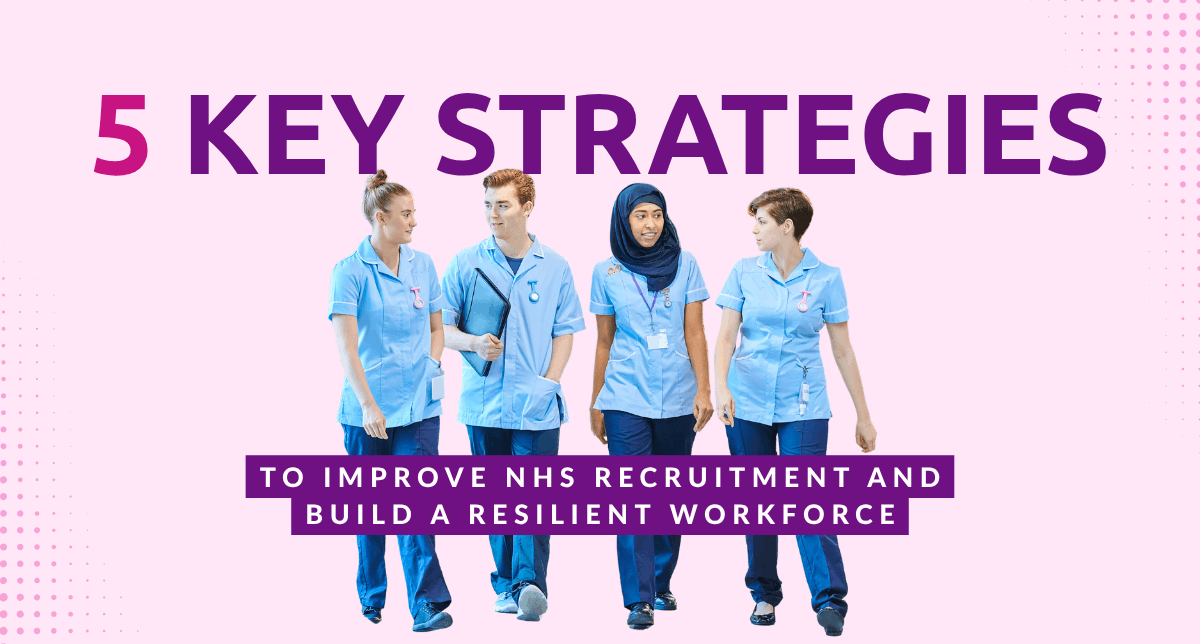
Supporting new NHS staff from offer to first year

A practical workforce engagement guide for NHS Workforce, HR and Recruitment Teams

The period between accepting a job offer and completing the first year in post can have a lasting impact on confidence, engagement and long term retention. This practical guide explores how NHS organisations can strengthen onboarding, improve communication and provide more consistent support throughout the workforce journey.

It examines the challenges many new starters experience before Day One, common information gaps, the importance of supporting staff through preceptorship and how structured digital engagement can complement the human onboarding experience. The guide also includes a practical onboarding framework and realistic ways to improve the new starter experience without increasing administrative workload.

Designed to support NHS Workforce, HR and Recruitment teams, this resource complements the ambitions of the NHS Long Term Workforce Plan and provides practical ideas that can help organisations create stronger workforce journeys from recruitment through to retention.

Supporting young people between appointments

A digital guide for Children and Young People Services

The space between appointments is often where engagement drops and concerns go unshared. This short, practical set of resources focuses on how teams can strengthen communicating with young people, provide safe, accessible support and maintain visibility beyond clinic visits.

It explores common communication gaps, ways of engaging young people more effectively, and how small, structured changes can improve continuity, particularly during transition to adult services. The accompanying guide, toolkit and reflective checklist support teams to review their current approach and identify simple, realistic improvements.

Designed to complement NHS guidance on safeguarding in healthcare, these resources focus on what helps in everyday practice.

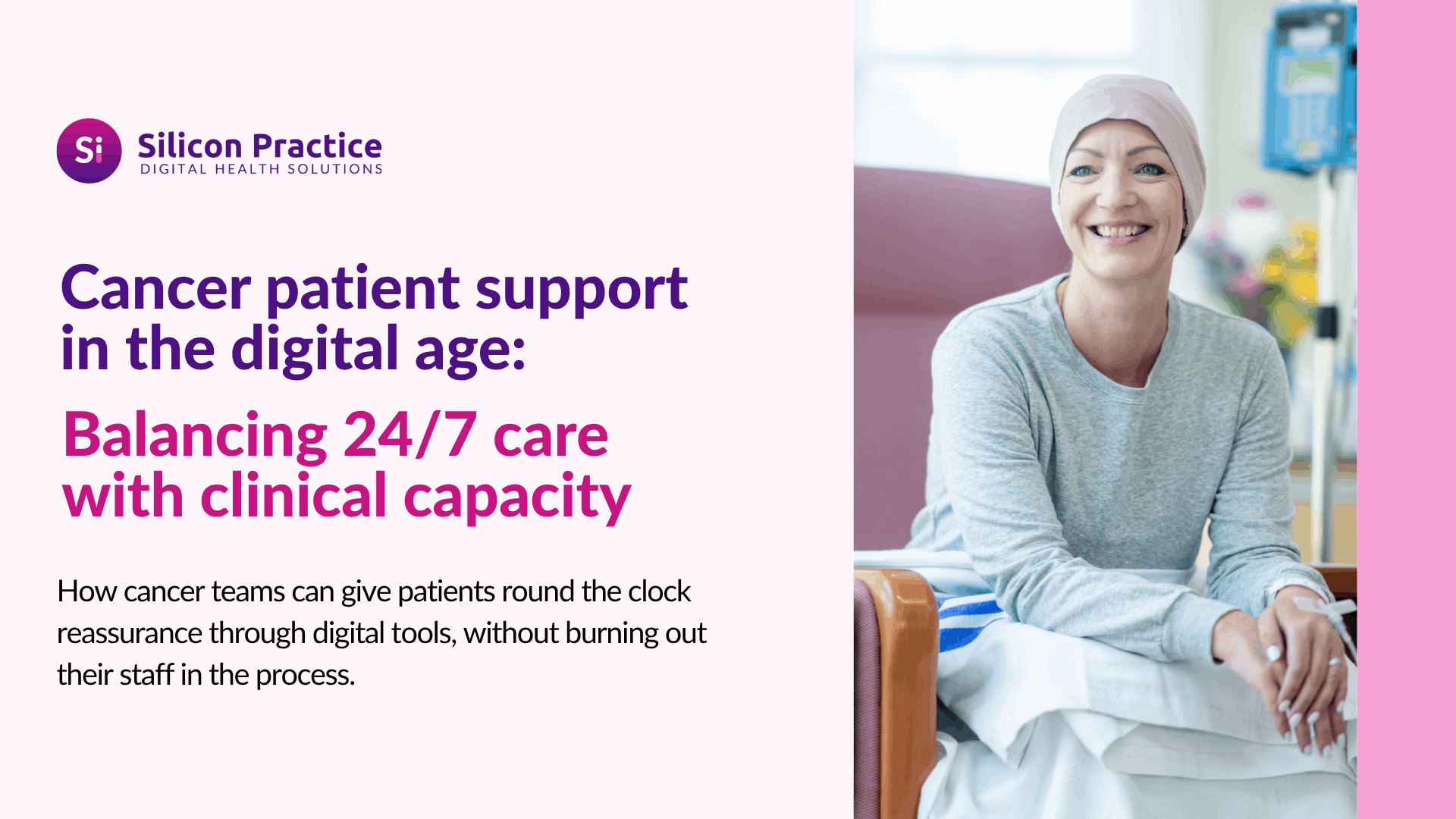
Supporting patients between appointments

A digital guide for cancer support teams

The space between appointments is often where uncertainty grows for patients and carers. This short, practical guide focuses on how teams can provide reassurance, clarity and structured support during that time.

It explores common information gaps, ways to reduce avoidable queries and how small changes in communication can ease pressure across services. The accompanying reflective checklist supports teams to review their current approach and identify simple improvements.

Designed to complement trusted sources like the nhs digital toolkit and the nhs digital library, this resource focuses on what helps in everyday practice.

Clinical placement NHS

A digital guide for clinical education teams

Clinical placements are where learning becomes real, but also where uncertainty can build quickly. This guide supports education teams to strengthen communication, clarity and consistency for students without increasing workload.

It focuses on the moments between supervision and teaching, where questions arise and confidence can dip. By improving access to clear information and support, teams can reduce repeated queries and better support student experience.

This resource aligns with broader learning and evidence sources such as the nhs digital library, while remaining grounded in practical application.

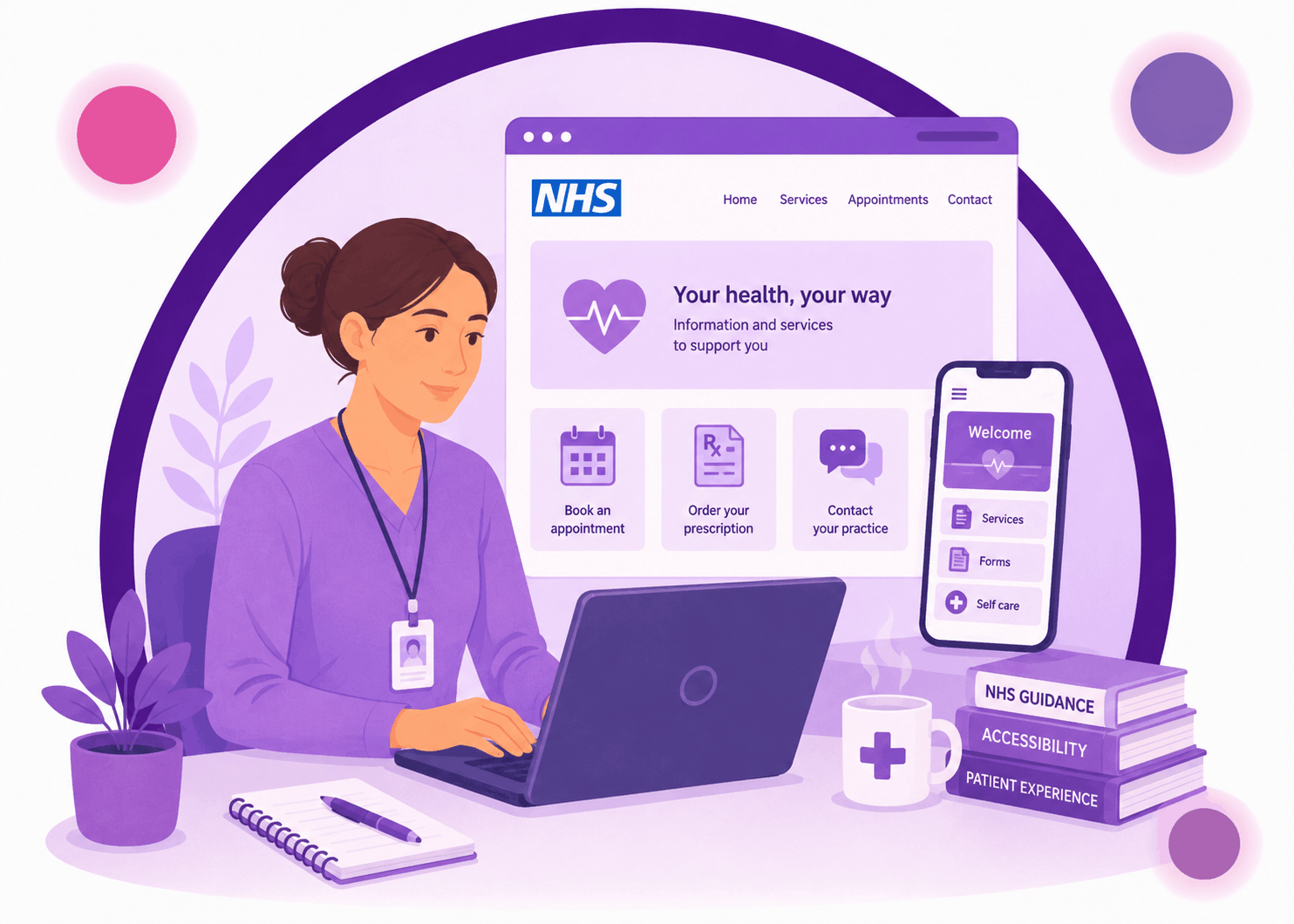
The future of primary care is digital

Is your GP website ready?

GP websites are now central to how patients access care. This guide explores how strong GP practice website design can improve access, reduce administrative pressure and support better patient journeys.

It covers NHS digital standards, usability, accessibility and the key elements of a high-performing website, with practical steps for improvement.

While frameworks such as the NHS digital toolkit provide structure, this guide focuses on how to apply those principles in real-world primary care settings.

NHS digital front door assessment

How digitally mature is your organisation?

Digital transformation can feel complex, especially when priorities compete. This short assessment helps you understand your current position and identify clear next steps.

In just a few minutes, you will receive a maturity rating along with tailored recommendations to improve patient access, streamline communication and strengthen your digital front door.

It complements insight from sources like the NHS digital toolkit, helping translate knowledge into practical action.

What this resource centre is designed to do

This space is not about adding more content or creating additional workload.

It is about bringing together practical resources that help teams:

  • Support patients and carers more consistently
  • Reduce avoidable demand and repeat queries
  • Improve clarity across communication and pathways
  • Strengthen digital access without losing the human element

You can explore each resource at your own pace, using what is most relevant to your service today, while drawing on wider knowledge sources such as the NHS digital library for deeper insight when needed.

Silicon Practice News and Resources

Deep dive into the latest trends and insights shaping the primary care industry. Explore practical resources and expert advice to stay ahead of the curve and navigate the ever-evolving landscape with Silicon Practice.

digital solutions nhs

Choosing the right digital solution for your practice: 2026 buyer’s guide

We believe that maintaining continuity of care shouldn’t feel like an uphill battle for young people moving into adult services. Our latest blog explores why a digital-first approach is no longer optional. By integrating a dedicated patient engagement platform, services can bridge the gap between pediatric and adult healthcare. We think it is about meeting young people where they are, using our practical guides and online checklists to ensure no one falls through the cracks during this transition.

Read More »
continuity of care

Ensuring continuity of care: why digital strategy is the lifeline for youth services

We believe that maintaining continuity of care shouldn’t feel like an uphill battle for young people moving into adult services. Our latest blog explores why a digital-first approach is no longer optional. By integrating a dedicated patient engagement platform, services can bridge the gap between pediatric and adult healthcare. We think it is about meeting young people where they are, using our practical guides and online checklists to ensure no one falls through the cracks during this transition.

Read More »
long term condition management

Long term condition management: where compassion meets continuity

Long term condition management often focuses on pathways and outcomes, but the real challenge sits between appointments. This blog explores how digital tools can support patients in those in between moments, improving engagement, clarity and confidence. From strengthening continuity of care NHS services aim for, to enabling more effective long term conditions self management, we look at small, practical ways to get started. A more realistic approach to digital, grounded in everyday pressures and patient needs.

Read More »
Clinical placement

Clinical placement: supporting students between university and real world care

A clinical placement is a crucial stage in healthcare training, but it can also bring uncertainty for students and education teams. In NHS student placements, questions often arise between supervision sessions, leaving some learners unsure about expectations, assessments, or who to contact for support. This article explores why clinical placement experiences can feel challenging, particularly for nursing students, and how clearer guidance and practical digital support can help students feel more confident throughout their placements.

Read More »